Luxury fashion remains a complex and dynamic industry. Brands invest billions into research to understand consumer desires. According to a report by Bain & Company, the luxury market is expected to grow by 8% to 10% annually, highlighting its resilience. This growth reflects consumers' increasing affinity for high-quality products.
So, what are the key elements of luxury fashion? It's not just about expensive price tags. Quality craftsmanship, exclusivity, and heritage often dominate discussions. A successful luxury brand balances tradition with innovation. Yet, many struggle to maintain authenticity while expanding their reach.
Understanding these elements is crucial for industry stakeholders. Brands must navigate changing consumer behaviors. Digital landscapes offer both opportunities and challenges. The demand for transparency is rising; consumers want to know the stories behind the products. Thus, analyzing key elements in luxury fashion requires ongoing reflection and adaptation.
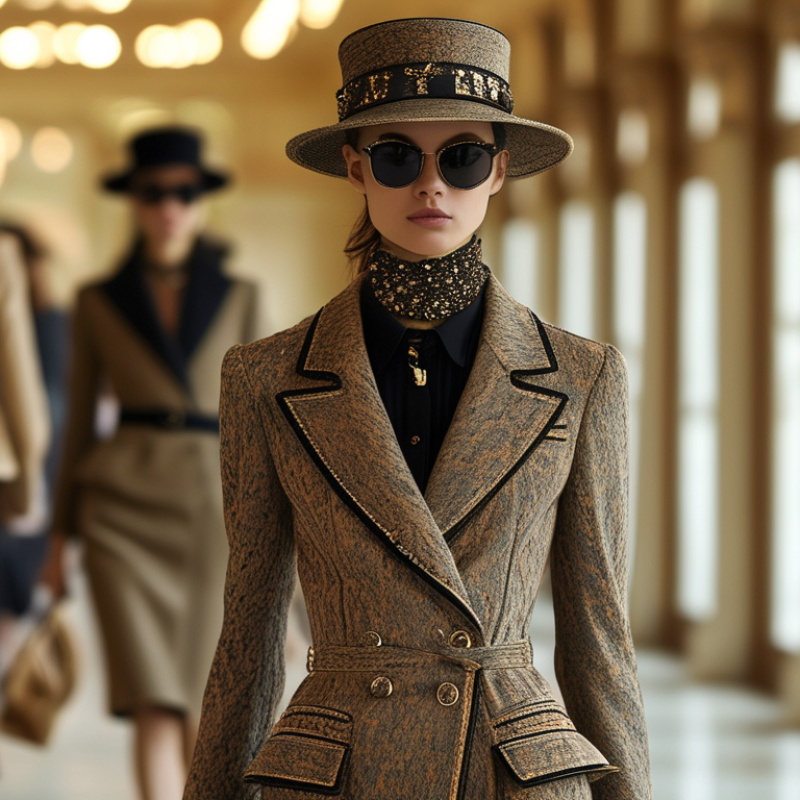
Understanding Luxury Fashion: Definition and Characteristics
Luxury fashion is more than just high prices. It embodies exclusivity, craftsmanship, and a strong brand narrative. This market often features rare materials, intricate designs, and a unique production process. Each piece tells a story that resonates with consumers. Buying luxury means investing in something timeless.
The essence of luxury fashion lies in its attention to detail. From hand-stitched seams to custom tailoring, these elements create a sense of uniqueness. However, not every luxury item meets these standards. Some focus on branding over craftsmanship, leading to consumer disappointment. It's essential to reflect on what true luxury means to you.
Understanding luxury fashion also involves recognizing sustainability efforts. Many brands now prioritize ethical practices. Yet, it’s a complicated journey. Some brands claim sustainability but lack transparency. It calls for mindful consumption and critical thinking. Ultimately, luxury fashion should be as much about personal values as it is about aesthetics.
The Role of High-Quality Materials in Luxury Fashion
High-quality materials play a pivotal role in luxury fashion. They define a brand's identity and set it apart from mass-market offerings. According to a 2022 report by the Global Fashion Agenda, consumers are increasingly prioritizing sustainability. About 66% of shoppers consider the longevity of a product over its initial cost. This shift emphasizes the demand for premium materials that ensure durability and aesthetic appeal.
Silk, cashmere, and fine leather are hallmarks of luxury fashion. These materials not only offer opulence but also a tactile experience. For instance, cashmere is known for its soft texture and warmth. However, the sourcing of such materials can lead to ethical dilemmas. The cashmere industry faces criticism for overgrazing, which impacts the environment. Highlighting these issues does not diminish the allure of high-quality products but invites consumers to reflect on their choices.
The craftsmanship behind luxury textiles contributes to their expense and prestige. A report from McKinsey indicates that the average luxury product is priced 60-100% higher due to the intricate techniques used in production. While this expertise is admirable, it also raises questions about accessibility. High costs can exclude many consumers from experiencing luxury, creating an ongoing debate about what luxury truly means today.
Craftsmanship: The Art Behind Luxury Fashion Pieces
Craftsmanship is at the heart of luxury fashion. It transcends mere creativity. Skilled artisans dedicate years to hone their techniques. In a recent report by McKinsey & Company, it was noted that 75% of luxury consumers regard craftsmanship as a key factor in their purchase decisions. This highlights the significance of skilled hands and attention to detail.
Luxury garments often feature handmade elements. These include intricate beadwork and hand-stitched seams. However, many consumers overlook the extensive labor that goes into creating these pieces. It can take weeks or even months to produce a single item. This dedication not only enhances the product but also elevates the entire brand. Yet, there is an ongoing debate about sustainability in the industry. Many high-end brands struggle to balance volume and craftsmanship.
Moreover, an estimated 30% of luxury items are produced with some level of mechanization. This raises questions about the authenticity of certain products. Are they truly high-end if they lack the touch of a skilled artisan? As the industry evolves, this question remains vital. Consumers must seek clarity about what truly defines luxury fashion. The art of craftsmanship demands our attention and reflection.
Brand Heritage and Its Impact on Luxury Fashion Perception
Brand heritage plays a crucial role in shaping perceptions of luxury fashion. It encompasses the history, values, and craftsmanship behind a brand. This connection to the past adds depth and authenticity. Consumers often seek stories that resonate with them. A strong heritage can evoke a sense of trust and desire.
The impact of brand heritage goes beyond mere aesthetics. It influences how products are priced and marketed. A brand with a rich history can command higher prices. People are drawn to narratives that reflect culture and tradition. They appreciate the artisanship involved in creating timeless pieces. However, as markets evolve, some brands struggle to maintain relevance. They may rely too heavily on their past.
The challenge lies in balancing tradition with innovation. Brands must reflect contemporary values. This means being inclusive and sustainable while honoring their roots. Many consumers are increasingly conscious of ethical practices. They want brands to align with their lifestyle. Thus, heritage must evolve without losing its essence. This dynamic interplay shapes the ever-changing landscape of luxury fashion.
Top 10 Key Elements of Luxury Fashion
| Element |
Description |
Impact on Perception |
| Brand Heritage |
The history and story behind a brand, influencing consumer trust. |
Enhances authenticity and perceived value. |
| Craftsmanship |
The skill and artistry involved in making luxury goods. |
Creates a sense of exclusivity and quality. |
| Material Quality |
Use of high-end materials that signify luxury. |
Influences consumer perception of durability and status. |
| Exclusivity |
Limited availability of products or brands. |
Increases desirability and social status associated with ownership. |
| Design Innovation |
Unique design elements that stand out in the market. |
Enhances brand image and attracts fashion-forward consumers. |
| Celebrity Endorsements |
Famous personalities promoting luxury brands. |
Boosts visibility and perceived prestige of the brand. |
| Sustainability Practices |
Environmental considerations in production processes. |
Appeals to socially-conscious consumers and elevates brand ethos. |
| Customer Experience |
The overall service and engagement provided to customers. |
Enhances loyalty and builds a strong emotional connection with the brand. |
| Cultural Relevance |
How well a brand resonates with contemporary cultural movements. |
Improves brand relatability and appeal to diverse consumer bases. |
| Heritage Storytelling |
Narratives that convey the brand's legacy and values. |
Builds emotional ties and enhances customer loyalty. |
Sustainability Trends in the Luxury Fashion Industry
Sustainability is no longer optional in the luxury fashion industry. Consumers increasingly demand transparency and responsibility. Many brands are now adopting eco-friendly practices. They focus on sourcing materials ethically and minimizing waste. This shift reflects a growing awareness of environmental impact.
Tips: Embrace timeless pieces. They reduce the need for frequent buying. Choose brands that prioritize sustainable practices. Supporting these initiatives helps promote positive change.
Luxury fashion is grappling with its role in sustainability. The journey is often imperfect. Many companies struggle to balance profit margins with eco-conscious initiatives. Consumers are more aware, questioning the true cost of fashion. This reflection can drive meaningful discussions about sustainability.
Tips: Always ask about materials. Research the brand's sustainability efforts. Knowledge empowers better choices in luxury fashion.
Conclusion
The article "Top 10 Key Elements of Luxury Fashion to Know" delves into the essential aspects that define luxury fashion, highlighting what are the key elements of luxury fashion. It begins by establishing a clear definition of luxury fashion and its distinct characteristics, which set it apart from mainstream fashion. The significance of high-quality materials is emphasized, as they not only enhance the aesthetic appeal but also ensure durability and exclusivity.
Craftsmanship plays a crucial role in luxury fashion, showcasing the skill and artistry involved in creating each piece. This dedication to detail contributes to the overall perception of luxury. Additionally, the article examines the importance of brand heritage, explaining how a rich history can elevate a brand's status and desirability. Lastly, it addresses emerging sustainability trends, indicating a shift in consumer values towards more environmentally conscious practices within the luxury fashion industry. Through these elements, the article provides a comprehensive understanding of what defines luxury fashion today.

 SLO Fashion