Color plays a vital role in fashion, influencing perception and mood. According to a study by the Color Marketing Group, 93% of consumers base their purchasing decisions on color alone. This highlights the importance of understanding color combinations when selecting outfits. What Are The Best Color Matching Tips For Outfits?
Mastering color theory is essential for creating visually appealing combinations. Different colors evoke different emotions. For instance, blue conveys trust while red signifies passion. However, many people struggle with pairing hues effectively. It often leads to mismatched outfits that can affect confidence. A survey by Pantone revealed that 79% of individuals feel that wearing the right colors can boost their self-esteem.
While trends change, some classic color combinations remain timeless. Black and white never go out of style. Yet, mixing bold colors can also generate excitement. Experimentation is key, but remember to consider your skin tone and personal style. Striking a balance between bold and subtle can be challenging. Often, it requires reevaluation and adjustment. Embrace the process of trial and error to discover your unique fashion voice.
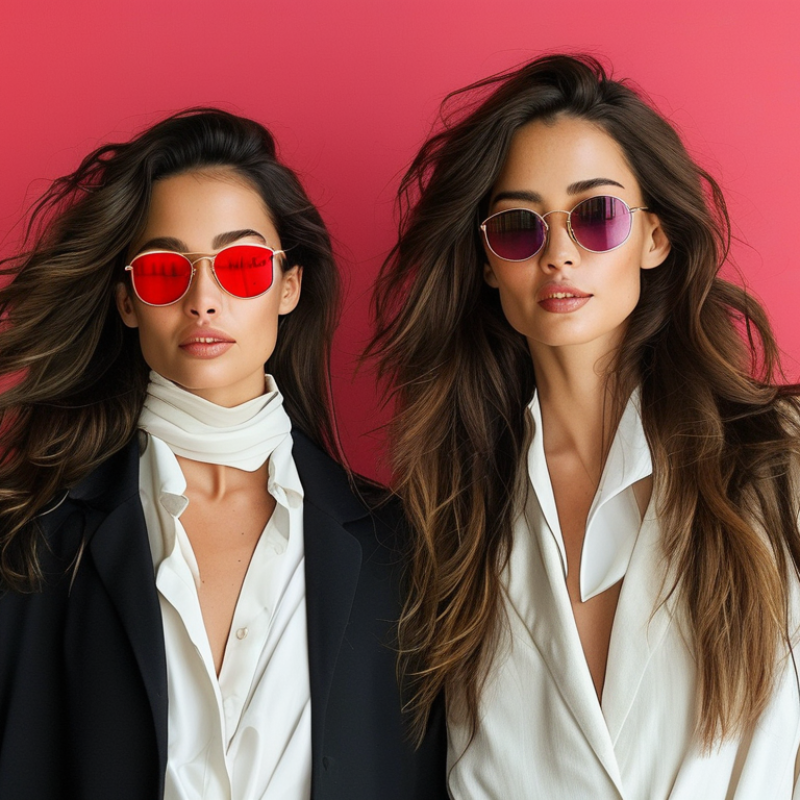
Understanding color theory is crucial for effective outfit coordination. At its core, color theory revolves around the color wheel. This tool outlines primary, secondary, and tertiary colors, which serve as the foundation for combining hues effectively. Using complementary colors, like blue and orange, can create a striking look. However, balancing these bold choices can be tricky.
Consider the concept of analogous colors, which sit next to each other on the wheel. Choosing shades like blue, green, and teal can result in a harmonious appearance. Yet, relying solely on these combinations may lead to a monotonous outfit. Experimenting with varying shades and tones can add depth and interest. For instance, pairing a dark navy with a soft mint can elevate your ensemble.
Accenting your outfit with neutrals is another essential tip. Shades like beige, grey, or white can help balance bold colors. But relying too heavily on neutrals could wash out your look. Don’t be afraid to mix textures and patterns as you explore these color theories. It can take time to master color matching, and mistakes are part of the learning process. Embrace the challenges, and enjoy discovering your unique style.
: Neutrals like beige and gray are versatile. They allow bolder colors to stand out. They act as a foundation for outfits.
Choose colors that harmonize with your skin tone. This avoids a washed-out appearance and enhances your overall look.
Complementary colors create striking contrasts. This makes outfits pop. For example, blue paired with orange is eye-catching.
Start with a solid base piece. Layer with a patterned item. Ensure the colors complement each other to avoid clashing.
Texture adds dimension to outfits. Mixing different fabrics like wool or silk creates balance but avoid too many competing textures.
Accessories can enhance color combinations. Use bold necklaces or colored bags to tie colors together, but don’t overdo it.
Yes, clashing colors can create unique looks. Trust your instincts and reflect on how you feel in each combination.
Combine different textures, like soft and structured pieces, to create visual interest. Avoid overwhelming the outfit with too many textures.
Reflect on your style. Not every trendy accessory enhances your look. Adjust or remove pieces that don’t work for you.
Experiment with different combinations. Trust your instincts, even if it means stepping outside your comfort zone.
In the quest to elevate your wardrobe, understanding color theory is crucial. By grasping the fundamentals of how colors interact, you can effectively coordinate outfits that not only look good together but also express your personal style. This involves choosing the right color palette, whether it's neutrals that ground your look or complementary and analogous shades that create visual harmony.
Additionally, incorporating patterns and textures can add depth to your ensembles, making them more dynamic. Don't underestimate the power of accessories, as they play a vital role in enhancing color combinations and tying an outfit together. Finally, staying aware of seasonal color trends allows you to adapt your outfits throughout the year, ensuring you remain stylish no matter the occasion. Overall, understanding "What Are The Best Color Matching Tips For Outfits" helps you curate combinations that are both striking and cohesive.

 SLO Fashion